REMOTE PATIENT MONITORING SOFTWARE
Remote Patient Monitoring Software for Connected Care Beyond the Clinic
Develop remote patient monitoring solutions that help healthcare organizations collect, review, and manage health information from connected devices and patient applications. Techbit Solutions builds customized RPM software and integrations to support remote care workflows, monitoring dashboards, and healthcare system connectivity.
OVERVIEW
Extend Healthcare Workflows Beyond the Clinical Setting
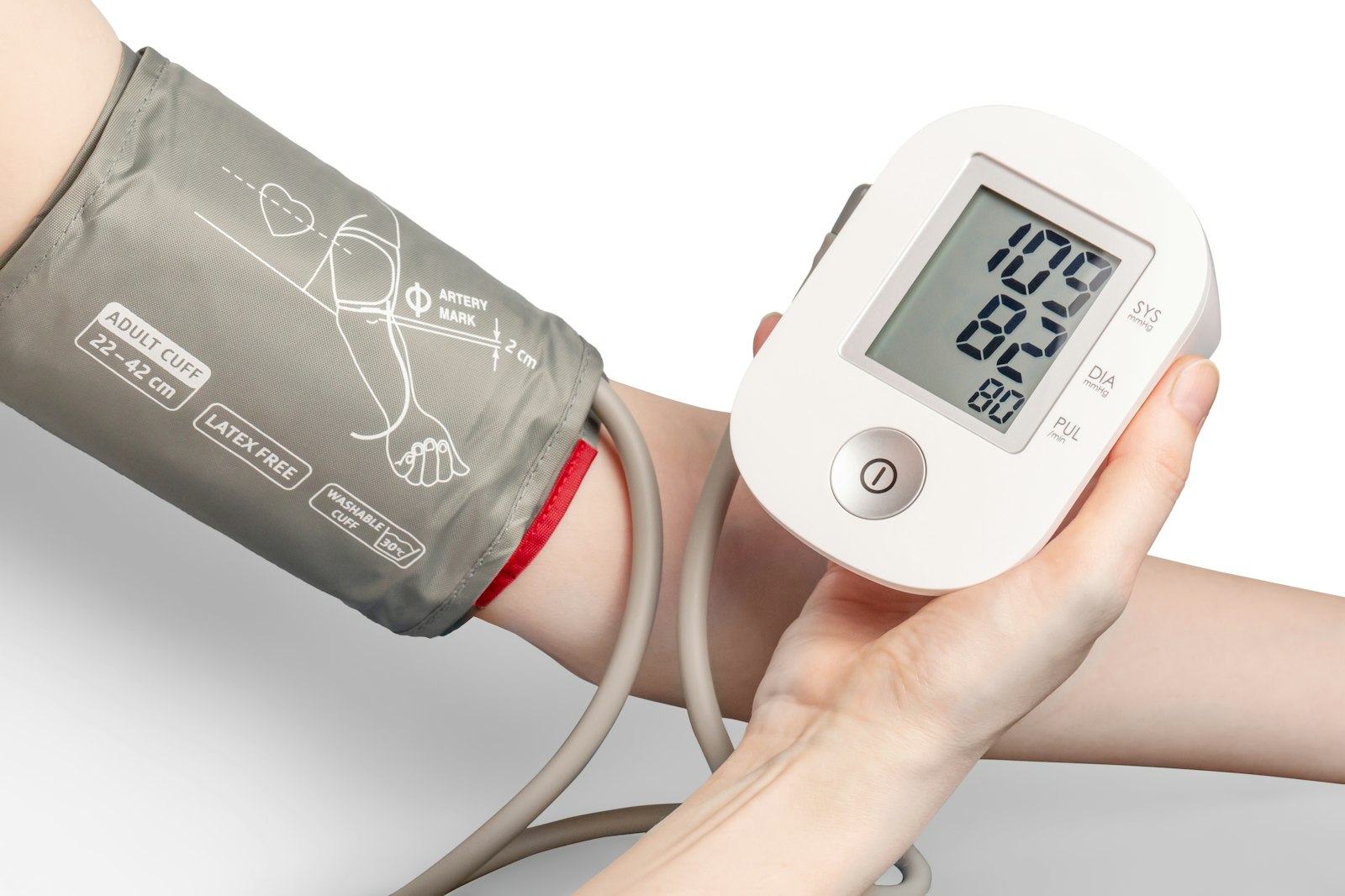
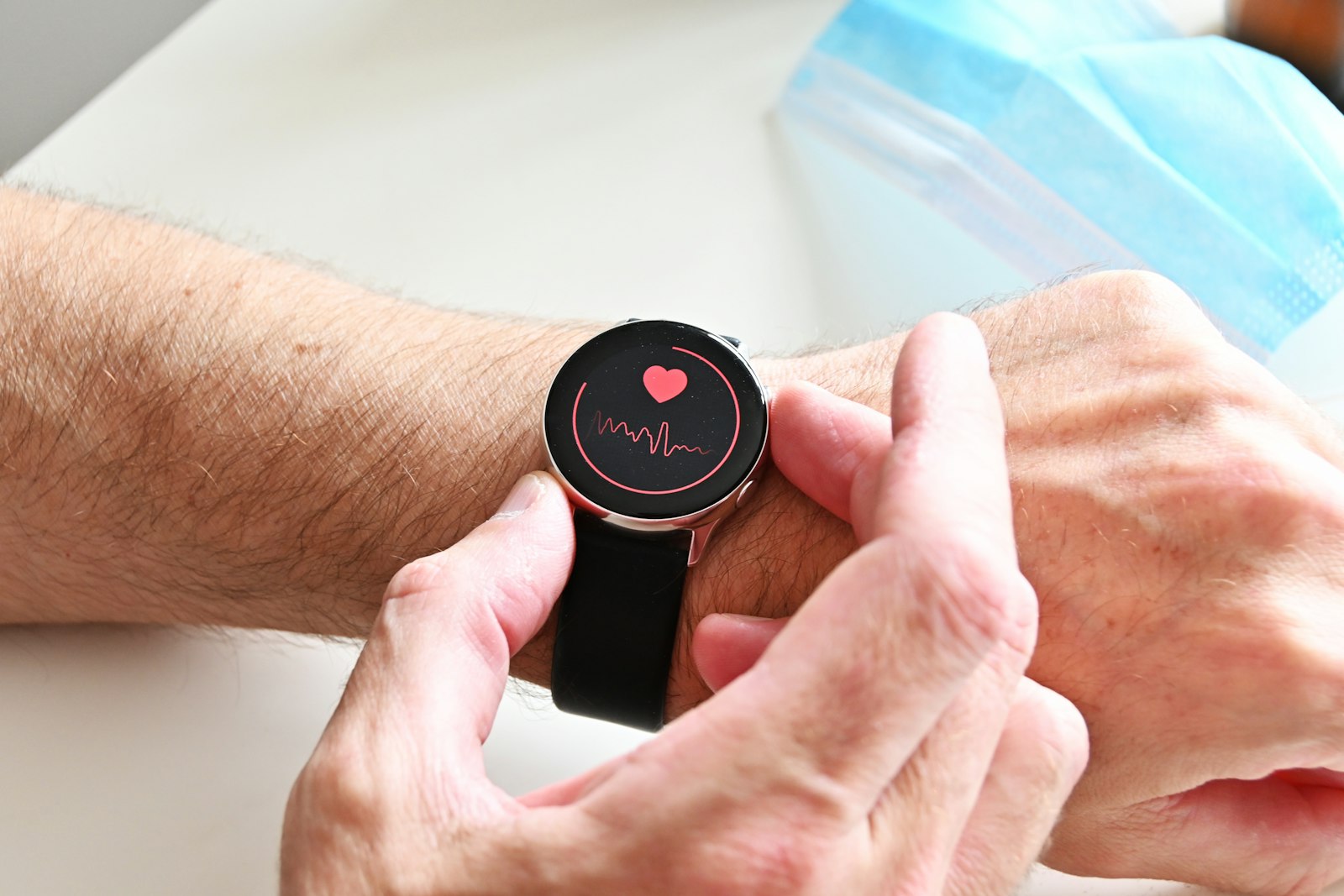
Patients spend most of their time between appointments, at home or on the move. Remote patient monitoring software helps care teams collect and review relevant health measurements during that time, communicate with patients, and bring the data into the healthcare systems they already use.
Techbit Solutions builds RPM applications and integrations around your care programs, the devices your patients use, and the clinical workflows your teams follow.
The Gaps Remote Monitoring Helps Close
Care does not stop when a patient leaves the clinic, but visibility often does.
Limited Visibility Between Appointments
Care teams often have little information about how patients are doing between visits.
Fragmented Device Data
Readings from different devices and apps arrive in different formats and places.
Disconnected Patient and Clinician Workflows
Patients and care teams lack a shared, structured way to exchange measurements and messages.
Complex Integration Requirements
Connecting devices, platforms, and EHRs involves many technical and security considerations.
CORE CAPABILITIES
Remote Patient Monitoring Software Capabilities
Build the components your remote care program needs, from device connectivity to clinician workflows.
Supported measurements, devices, and data frequency depend on device compatibility and project scope.
HOW IT WORKS
How Remote Patient Monitoring Works
A typical RPM architecture moves each reading from the patient to the care team through a series of connected steps.
Data timing depends on each device and connection. Not every device provides real-time data.
INTEGRATIONS
Device and System Integration
We integrate with compatible devices and platforms through their available interfaces. Compatibility, data formats, and transmission frequency are confirmed for each device during the technical assessment.
Compatible Devices
Connected Systems
Security and Reliability Considerations
RPM systems move sensitive data across devices, networks, and platforms. These considerations are planned for each project based on its requirements.
Secure Data Transfer
Encrypted transmission between devices, apps, and the platform.
Authentication
Secure sign-in for patients, clinicians, and administrators.
Device Identity
Associate each reading with the correct patient and device.
Data Quality
Handle missing, duplicate, or out-of-range readings consistently.
Monitoring Availability
Infrastructure and system monitoring planned around your availability needs.
Access Control
Role-based permissions for viewing and acting on patient data.
Alerts and notifications are configurable software features that support care teams. They are not a substitute for emergency services, clinical judgment, or diagnosis.
USE CASES
Potential Remote Monitoring Use Cases
Each use case is subject to clinical, regulatory, and technical requirements defined with your care team.
Chronic Care Management
Ongoing review of measurements for patients with long-term conditions.
Post-Discharge Monitoring
Structured check-ins and readings during recovery after a hospital stay.
Home-Based Care Programs
Measurements and communication that support care delivered at home. See our home care software.
Remote Follow-up and Monitoring Workflows
Scheduled remote check-ins in place of some in-person follow-ups, where clinically appropriate.
Related Healthcare Software Services
FAQ
Remote Patient Monitoring Questions
Common questions about devices, integrations, and RPM project planning. For anything else, contact our team.